Express CPR training has actually grown out of a really genuine demand: many people desire useful abilities, but do not have a free day to being in a classroom. As a trainer, I have actually fulfilled moms and dads, tradies, child care teachers, personal trainers, and supervisors who walk in the door claiming about the same point: "I recognize I ought to have this, however I only have a couple of hours. Please make it count."
A good fast first aid course or express CPR course does exactly that. It strips away fluff, concentrates on high influence abilities, and provides you sufficient repetition that your hands remember what to do when your brain is under pressure.
This guide goes through what to expect from express CPR training, step by step, so you can arrive ready and make the most of every minute.
What "express" really means in CPR and first aid training
The word "express" scares some individuals. They envision a rushed slideshow, a quick test, and a certificate that is not worth the paper. That does exist in some edges of the market, but an expertly run express cpr training session is different.
Express CPR, express first aid, and express child care first aid layouts are developed around 3 concepts:

An express cpr course is usually an element of a wider first aid training pathway. Numerous organisations now supply combined first aid and cpr courses: theory online, skills personally. For people who currently hold a full first aid certificate and just require a fast cpr correspondence course, the in‑person component can be even much shorter, often around 90 mins, with stringent time management.
The secret is not how much time you sit in a chair. The key is just how competently you can look for threat, evaluate a fallen down individual, begin compressions, and use an AED without freezing.
Before the day: enrolment, requirements, and on-line theory
Booking an express cpr course or express first aid course generally begins online. A lot of respectable service providers will certainly ask you a couple of quick inquiries during enrolment:
- Are you renewing an existing first aid certificate or starting fresh? Do you need childcare specific skills, such as express child care first aid training? Are there workplace needs, as an example, a specific code or degree of first aid and cpr training classes?
For fast certification, many providers provide a "fast first aid course near me" search on their website that connects you to locations and times. My suggestions, from years of viewing individuals rush at the last minute, is straightforward: do not leave it to the week your certificate ends, particularly if your work depends on current first aid and cpr.
Most express first aid courses include online understanding that should be finished prior to you walk into course. This is where you will generally cover:
- Basic anatomy and physiology relevant to CPR. Chain of survival and why very early compressions matter. Legal and moral issues - task of care, approval, documentation. Recognition of heart attack, stroke, and usual medical emergencies.
The online part varies from 30 minutes to a few hours, relying on whether it is cpr just or full first aid training. Some systems let you stop and start, which is practical if you are fitting study around shifts or childcare.
Here is the crucial tip: treat the online module as part of the course, not a tick box. Individuals that skim every question, or have a partner click via for them, are normally the very same ones that freeze when a manikin is put before them.
What to bring and how to prepare
You do not need much for express cpr training, yet a little preparation will make the session smoother.
Here is a straightforward pre‑course checklist:
- Comfortable garments that allows you kneel on the floor and lean forward for numerous minutes at a time. A charged phone, mostly so you can access your enrolment e-mail or digital workbook if required. Any needed ID or trainee number defined by the training provider. Reading glasses if you use them, as you may need to review AED prompts or paperwork. A container of water and, if the session is much longer, a light treat for breaks.
Wear sensible footwear, not high heels or hefty work boots if you can prevent it. You will likely hang out kneeling on mats, moving manikins, and swapping duties with partners. In child care first aid courses, in particular, you might relocate between adult and infant manikins quickly.
If you have knee troubles, back problems, or are pregnant, inform the teacher at the beginning. Good trainers adjust scenarios so you can take part safely, and there are always means to show proficiency without hurting yourself.
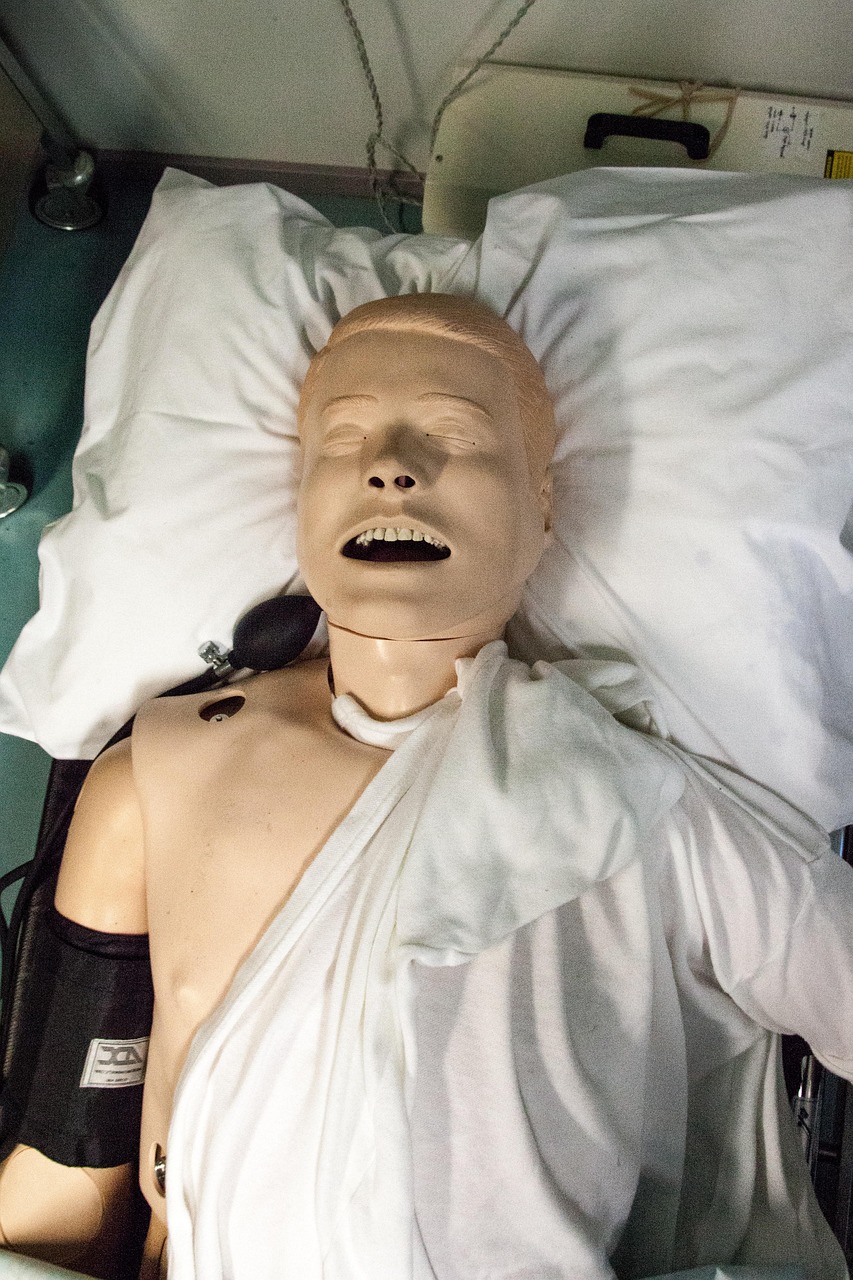
The initially 15 minutes: orientation and expectations
Once everyone has actually checked in, the instructor will generally begin with a quick orientation. This component establishes the tone. In a fast first aid training layout, the fitness instructor has to stabilize warmth with performance. You can anticipate 3 points:
First, security and hygiene. You will certainly find out about manikin cleaning, use face guards or disposable masks during rescue breaths, where the first aid kit and AED are located in the venue, and exactly how to move securely in the room. In the post‑COVID age, numerous service providers are stricter about single usage mouthpieces and cleaning down surfaces.
Second, ground rules. Do not be shocked if the instructor claims something blunt like, "We are on a tight routine. I desire lots of inquiries, however I will certainly park anything that takes us too far off track." An expert express cpr course is not an informal drop‑in; it is an organized pathway to a nationally recognised first aid certificate or CPR card.
Third, expectations of skills. The fitness instructor will certainly detail exactly what you must show: compressions at the proper deepness and rate, appropriate hand positioning, safe AED use, and clear interaction with onlookers or emergency services. This is where the express format shows its toughness. Everybody in the area recognizes the target results from the start.
Step by action: the core CPR series you will certainly practise
Although different nations and regulators fine-tune wording, the practical series instructed in express cpr training is relatively regular. Throughout course, you will certainly not simply enjoy this as soon as. You will certainly go through it several times, on adult and frequently kid or baby manikins, till the rhythm begins to feel natural.
Here is a condensed detailed variation of what you can expect to practice:
Check for risk and responsiveness, and send for help
You learn to check for threats, tap the person, call out to them, and quickly get a bystander to call the emergency situation number (such as 000 or 911) and fetch an AED if available.Open the airway and check breathing
You practice placing the head, looking for breast motion, listening and really feeling for typical breathing, and acknowledging agonal gasps that are ineffective breaths.Start chest compressions
You position your hands in the centre of the upper body, lock your elbows, and compress set at the suggested rate, letting the chest increase completely in between compressions.Add rescue breaths if educated and willing
Depending on your regional guidelines and the course you are signed up in, you may practice 30 compressions complied with by 2 breaths utilizing a barrier device, or hands‑only CPR.Use an AED as quickly as it arrives
You discover to turn it on, adhere to the voice prompts, affix pads in the correct placements, stand clear for evaluation and shocks, and promptly resume compressions when instructed.Those 5 steps are the backbone of most fast cpr courses. In a complete first aid and cpr course, you will certainly embed that sequence right into wider scenarios that include choking, drowning, and trauma.
In express child care first aid courses, you cover the very same framework but with crucial modifications for infants and children, such as two fingers rather than two hands on the breast, gentler breaths, and various AED pad placement.
How skills are taught in an express format
People often envision that reducing a course from a complete day to a half day means cutting corners. What really changes is the way the web content is delivered.
From a trainer's perspective, right here is what changes in fast first aid courses and express cpr training:
Less lecture, even more drills. As opposed to a 40 min talk on heart physiology, you may have a five min recap of the online module, adhered to right away by hands‑on practice. Instructors utilize short, focused explanations, after that get you back on the manikin.
Scenario based learning. Although time is limited, competent instructors still build short situations. As an example, you may be told, "You have just walked into the staff room and discovered a coworker broke down next to the photocopier." You will certainly after that be asked to run the complete sequence: risk check, telephone call for aid, compressions, AED. The fitness instructor will add a twist or 2, such as a spectator that panics.
High rep, much shorter collections. Rather than twenty minute role plays, you may turn via three to five minute cycles of compressions, breathing, and AED usage, with quick comments after each round. This is ideal for muscular tissue memory.
Targeted mentoring. In a group of ten, a good trainer can find errors extremely swiftly: arms bent, compressions too superficial, not letting the chest rise, pads in the incorrect area. Fast courses rely upon that train's eye. You obtain immediate, certain feedback, as opposed to common praise.
Minimal yet concentrated evaluation. Official analysis still occurs; your first aid certificate or CPR card depends on it. The "express" component just suggests the assessor is viewing you throughout your practice, not just during a presented final examination. By the time you reach the end of the session, you have generally demonstrated the called for skills numerous times.
What express CPR seems like physically
The greatest shock for many first aid and cpr pupils is not the intricacy of the steps, but the physical effort. A proper fast cpr session does not go simple on your muscles.
After the initial couple of rounds of compressions, people frequently say something like, "If this were real, I would never ever last long enough." That is not a sign you are unsuited; it is an indicator you are lastly experiencing what effective CPR really feels like.
Here are some extremely typical sensations during training:
Forearm and shoulder exhaustion. Right compressions require your body weight, not just your arm toughness, yet your muscles will certainly still tire. Express cpr courses typically teach you how to swap rescuers efficiently, which is essential in genuine incidents.
Breathlessness. If you are practising rescue breaths, especially in a fast cpr refresher course where the fitness instructor pushes your rate, you might feel a little breathless. This is why current guidelines position such a solid emphasis on compressions and allow hands‑only CPR for untrained or unwilling rescuers.
Mild knee or back pain. Stooping on floor coverings for duplicated scenarios can aggravate joints or muscle mass, especially if you have existing issues. Inform your fitness instructor early; they can provide extra padding, alter your placement, or have you show on a table height manikin.
A great teacher keeps an eye on your form and your convenience. The goal is not to tire you, but to provide you a realistic feeling of the initiative needed so you are not shocked by it in a real emergency.
How express courses handle various age groups and contexts
Not all fast first aid courses look the very same. The structure and emphasis depend greatly on who is in the room and what they need the certificate for.
In standard grown-up concentrated CPR training, the situations normally centre on unexpected cardiac arrest as a result of heart problem, work environment accidents, or sporting activities cases. You work primarily with adult manikins, maybe with a short demonstration of kid technique.
Express child care first aid courses are different. Regulations in many areas require teachers to find out details paediatric first aid abilities. That implies more time on:
- Infant and child CPR, consisting of appropriate midsts, proportions, and pad placement. Management of airway blockage in little kids, consisting of back blows and breast thrusts. Asthma and anaphylaxis monitoring, consisting of inhalers and adrenaline auto‑injectors.
In these fast first aid courses, you still relocate at a quick rate, but the onsite emergency first aid training instances and language are tailored to very early childhood settings. Instructors commonly make use of scenarios based upon playground cases, snooze time checks, or food relevant allergic reactions, since that is where teachers are most likely to utilize their skills.
Workplace concentrated first aid and cpr courses might emphasise various risks, such as electrical incidents on building websites, chemical direct exposures in research laboratories, or remote locations for area personnel. Also in an express format, there is usually a minimum of 15 to half an hour alloted to speak via your own workplace risks so you can mentally practice likely incidents.
Assessment, certification, and what "competent" truly means
At completion of the session, you will face some sort of analysis. In mixed or fast first aid course designs, some parts are already marked off via on-line quizzes. The one-on-one part focuses on what can not be evaluated on a screen: your hands, your timing, your judgment under moderate pressure.
Common assessment components in express cpr training include:
Observation during situations. The fitness instructor will certainly watch you go through the complete CPR sequence and tick requirements as you function. Did you check for dangers? Did you identify unresponsiveness? Did you begin compressions rapidly? Did you utilize the AED safely?
Compression top quality checks. Lots of manikins now have electronic comments systems that reveal whether you are striking the right depth and rate. In an express cpr course, fitness instructors rely greatly on these tools to offer you unbiased feedback quickly.
Questioning and clarification. At periods, the trainer might ask targeted concerns, such as, "What would you do if the AED encouraged no shock?" or "Just how would your technique adjustment for a child?" These inquiries are often integrated into situations instead of provided as an official dental exam.
Once you show the called for abilities, the supplier issues your first aid certificate or CPR card. Some organisations email an electronic certificate the same day. Others call for a short handling duration. If time is limited for task or regulative reasons, ask about turnaround times prior to you enrol.
Competent in this context does not imply ideal. It suggests safe, effective, and straightened with present standards. In the area, no one is counting your exact compression price with a stopwatch. They are happy you are doing something more than standing back and hoping.
How express CPR fits into more comprehensive first aid training
Express CPR is just one piece of the first aid puzzle. Lots of trainees use an express cpr training session to keep the CPR component of a full first aid certificate completed formerly. Others start with a short course for self-confidence, after that return later on for a lot more comprehensive first aid and cpr courses.
Full first aid training, occasionally called a comprehensive or FAP first aid package relying on the area, typically includes:
Recognition and management of blood loss, fractures, and soft tissue injuries.
Burns and scalds, including cooling down techniques and dressing application. Abrupt ailments such as seizures, diabetic emergencies, stroke, and asthma. Bites, stings, and ecological injuries appropriate to regional conditions. Recurring monitoring, handover to paramedics, and reporting requirements.Fast first aid courses press this right into a tighter routine by leaning heavily on pre‑course reading and by incorporating topics. For example, you may cover seizures, head injury, and healing position in a solitary situation as opposed to separate lectures.
Many workplaces currently take on a cycle: a complete express first aid course in year one, followed by fast cpr refresher courses in years two and 3, after that an additional full first aid training session when guidelines or personnel turn over make it sensible.
Common concerns pupils give express courses
After running hundreds of first aid and cpr training classes, I can practically predict the inquiries that will certainly appear in the first 10 mins. If you are really feeling any one of these, you are in good company.
"What happens if I do something wrong and make it worse?"
The ruthless fact of cardiac arrest is that, without intervention, the person will die. Reliable CPR and quick defibrillation improve their odds significantly. Broken ribs, bruised upper bodies, or imperfect hand positioning are not the opponent; inaction is."I am not strong enough to do good compressions."
I have actually seen little mounted trainees provide superb compressions once they trust their body weight and correct posture. Strategy issues more than brute stamina. Express cpr courses devote a shocking amount of time to stance, arm placement, and rhythm for precisely this reason."I always panic in emergencies."
You might, initially. Training can not change your personality, but it can provide your body a manuscript. The goal of fast first aid courses is not to make you fearless, but to make your hands move also when your brain is racing."I despise tests. What happens if I fall short?"
Assessment in high quality express first aid training is helpful, not adversarial. Trainers coach you throughout, and if you are having problem with a certain element, they will normally provide extra technique rather than a level fail. Extremely few people CPR and first aid training certifications leave without a certificate, and those who do typically have actually not finished the on the internet job or https://edgarafij988.tearosediner.net/the-importance-of-first-aid-and-cpr-courses-in-today-s-world have actually picked to stop.Making one of the most of your express CPR training
Once you have your express CPR or express first aid certificate, it is appealing to file the card, tick the compliance box, and forget it. Abilities fade gradually, particularly skills you do not use consistently. Here are some simple ways to keep them to life without transforming your life upside down.
Pair up with a coworker every couple of months and chat via a fast scenario over lunch: "What would we do if a person collapsed in the parking lot right now?"

Consider reservation yourself into a fast cpr refresher course earlier than the formal expiration date if there have actually been major guideline updates or if you really feel rustic. The express format makes that manageable also in a busy schedule.
Finally, talk about your training. If you manage a team, urge others to register in first aid and cpr training classes. If you are a moms and dad, share what you discovered in your express childcare first aid course with your partner or grandparents. Every skilled set of hands in your circle moves the probabilities a bit more in everyone's favour.
CPR is not about perfection. It is about action taken promptly, with sufficient skill to maintain blood moving until aid gets here. An express cpr course, supplied well, gives you that ability in a focused, sensible, and time efficient method. When you need it, you will certainly be thankful you invested those hours on the floor covering, counting compressions out loud, while a fitness instructor pushed your elbows into the ideal place.